Organization: MCAA

Making a Sustainable Business Transformation

For contracting companies looking to undergo a sustainable business transformation, making the sustainability shift can mean all the difference in future success. And environmental, social, and governance principles, often referred to as ESG, is a rapidly developing topic that you are likely hearing about now more than ever before.

In fact, among surveyed contractors, 52 percent said they’re requested to provide ESG data in bid documents. Yet, 78 percent of those same contractors said they’re only somewhat or not familiar at all with ESG, with 35 percent stating they’ve been asked by a potential customer to submit an ESG plan.

While ESG might seem intimidating and costly at first, it can provide huge benefits to an organization—and according to the survey, can mean the difference between business wins and losses.

ESG is a business strategy that can help contractors expand their business, foster employee loyalty, attract top talent, and enhance long-term sustainability. Some companies use terms like “corporate social responsibility” or “sustainability” to describe their responsible business priorities.

However a company defines ESG, it is pivotal in shaping the business’s purpose, values, and day-to-day operations. Many companies have already implemented core concepts of ESG.

Undergoing this type of business transformation may be easier than you think. In fact, many companies may be surprised to find out that the activities they are already doing for cost savings, customer/legal compliance, or goodwill fall squarely into the ESG space.

This includes actions like measuring health and safety, implementing employee development programs, advising on environmental products and solutions, and ensuring the proper policies—such as an employee code of conduct—are in place.

Your business may not be documenting it as an ESG practice, but by taking stock of what your company does for people and the environment, it can be simpler than expected to align with core ESG principles and learn how to advance them even further.

Learn about Sloan’s progress toward environmental stewardship, responsible governance, and social impact in its 2023 ESG report.

Why ESG Matters

Manufacturers, distributors, contractors, and others across the supply chain are being asked by owners, developers, and government entities for ESG metrics like health and safety, carbon emissions, waste recycling, minority- and women-owned business enterprise participation, and more. This information may be used to ensure that they are satisfying legal requirements or meeting their ESG goals. This is no longer a niche request, and increasing regulation may lead to these metrics being required.

Within the bidding stage, sustainability initiatives can be viewed as a long-term cost-saving tactic for the end user, often resulting in reduced operational costs over the long term. For example, while an energy-efficient building lowers energy consumption, it is also the collective design, installation, maintenance, and operation of its mechanical system that help determine true efficiency.

MCAA offers advice and resources on enhancing competitiveness through ESG.

In terms of hiring talented team members, employees increasingly prefer working for companies that prioritize sustainability, social responsibility, and ethical business practices. In a recent Deloitte survey, 69 percent of employees said they want their companies to invest in sustainability efforts, including reducing carbon, using renewable energy, and reducing waste. This sentiment was higher among surveyed employees between the ages of 18 and 34 years old, who showed a stronger interest in sustainability initiatives than respondents from older generations.

ESG is also important from a regulatory perspective. Governments around the world are moving toward mandating companies to share more information related to environmental and social sustainability.

This includes rules like California’s Climate Corporate Data Accountability Act and new climate and human capital disclosure requirements from the U.S. Securities and Exchange Commission . These, along with other state and local regulations, may force large companies to report on or manage their ESG risks across their full value chain.

A detailed description of California’s new climate law is available here.

The Securities and Exchange Commission described the new disclosure requirements in this press release.

Five Steps to Start the ESG Journey

When preparing to begin your business’s path toward sustainability, the following five steps can serve as an effective guide.

  1. Establish a foundation. First, conduct a thorough assessment of current business operations, including key ESG practices, risks, and opportunities. This information can be used to begin to inform a sustainability strategy. It will also be important to secure buy-in and support from leadership.

  2. Conduct benchmarking and engage key stakeholders. Conduct benchmarking and a gap analysis to understand performance against your peers and others in the industry to understand how your business stands in terms of sustainability. Identify and engage with key stakeholders, including employees, customers, suppliers, and community members, to understand and validate where your business has the greatest risks and opportunities. For example, once you understand the sustainability goals of your customers and their customers, you can brainstorm ways to advise them to meet their goals, thus increasing the value you bring to the project.
  3. Develop a strategic roadmap. When starting a roadmap, it’s important to establish ESG structure and policies. The information gained from stakeholder interviews can be used to prioritize issues relevant to your business and develop a framework that aligns with your organizations values, industry standards, and stakeholder expectations. ESG considerations can then be integrated into your business’s overall strategy, ensuring that sustainability goals align with core business objectives. It’s important to remember to develop both short- and long-term goals, targets, and key performance indicators to measure impact. When developing the roadmap, determine which new and emerging ESG-related regulations and reporting standards may be relevant to your company or its customers and plan to assure compliance and capitalize on opportunities.
  4. Collect and share data. Begin by implementing systems and standard operating procedures for collecting relevant ESG data and monitoring current and future regulations. It’s also important to work with legal advisors to decide where and how to disclose information and establish a transparent reporting process to communicate ESG performance to key stakeholders.
  5. Train and communicate. A plan is only as good as how well the team knows it. That’s why it’s important to provide training to employees to raise awareness and educate on ESG principles. Businesses will want to develop internal and external communications strategies and commit to continuous improvement and adapt to changes in regulations, stakeholder expectations, and industry best practices.

Sloan has embarked on its own ESG journey, publishing its first-ever ESG report last year, as it put many of those sustainability initiatives into practice by becoming the first commercial restroom manufacturer to join the International WELL Building Institute’s Works with WELL program, earning verification to The Water Council’s WAVE program, and more.

Find out more about Sloan’s partnerships with the American Society of Plumbing Engineers and others here.

For more information, visit www.sloan.com.
Message from Parthiv Amin, M/SC Chair: Clutch Partners

Every issue of Smart Solutions showcases real-world examples of how contractor members and supplier partners collaborate to address complex challenges and sensitive situations. For example, Power and Combustion, Inc. partnered successfully with Victaulic on an HVAC overhaul in a courthouse that had to remain fully operational throughout construction. North Mechanical chose Morris Group International® brands to help a manufacturer accelerate production of glass vials critical for vaccines and other medicines. A coal-burning power plant used Apollo® Valves from Aalberts integrated piping systems to install new technology required for complying with the Clean Air Act. John W. Danforth Company relied on Zurn’s efficient approach to packaging and delivery to help a new hospital open on time and on budget.

Contractors are reaping the benefits of investing in new products. Alexander Mechanical, Inc. immediately increased efficiency and decreased material costs with their first Watts pipe cutting machine, so they bought a second and realized even more gains. Kleeberg adopted Novarc Technologies’ Spool Welding Robot, and its workers used the cobot to dramatically increase welding speed and save time. Pan Pacific found MILWAUKEE TOOL’s new battery-powered wet/dry vacuums were safer, more versatile, and more durable than corded vacuums.

After making the transition from paper recordkeeping to BuildOps software, Jackson Mechanical increased revenue by 30 percent. Hurst Mechanical credits ServiceTrade software with increasing efficiencies and contributing to 25-percent growth in a single year. J.M. Brennan used Stratus to improve efficiency on the shop floor, and the investment paid for itself in about two months. DILFO counts on Trimble’s ProjectSight project management software to improve communication, manage risk, and save time on every project. In a high-profile partnership, Ferguson has transformed its business model and streamlined workflows by using FARO technology, while FARO is expanding its reach in the industries that Ferguson supports.

MCAA’s supplier partners are a great resource for information. See Sloan’s advice on leveraging environmental, social, and governance, or ESG, principles to expand business and be more competitive. OpenSpace explains how UMC uses 360° reality capture to improve coordination and workflow, and how you can, too. Ridge Tool Company describes how to select the best press tool for your needs. T&S Brass sheds light on how to balance aesthetics and functionality in commercial restroom projects with products that can streamline installation. A.O. Smith launched the Adapt™ Premium Condensing Gas Tankless Water Heater, which promises unparalleled installation flexibility in the field. Going a step further, NIBCO is partnering with Chicago Pipefitter’s Local 597 Union to elevate training programs that prepare the workforce of the future. As you read this issue, consider how MCAA and its partners can be your reliable sources in clutch situations.

Software Links Office and Field Saving Time and Hassle

With construction challenges increasing and timelines decreasing, DILFO turned to Trimble’s ProjectSight project management software to improve communication, manage risk, and save time on every project. Based in Ottawa, DILFO is one of Eastern Ontario’s largest mechanical contracting, HVAC services, and plumbing and heating contractors. The second-generation, family-owned business was founded in 1980 and employs more than 200 construction and service professionals. ProjectSight helped them streamline their document control and enhance team collaboration.

Connecting the Office and Field

Director of Operations Brendan Myers oversees day-to-day work, including DILFO’s sheet metal and plumbing fabrication as well as field and service operations. Like many construction professionals, Myers believes, “It’s harder to build these days. Project managers need information in a way that isn’t cumbersome so they can focus on their tasks. It’s also getting harder and harder for our foremen to do their job. There’s more safety requirements, more paperwork, and the schedules are getting shorter.”

DILFO’s previous solution was working well in the field, but they needed a more holistic approach that could tie the office and field together as one with the documentation to run a project successfully. After a thorough review, Myers chose Trimble’s ProjectSight because it was “the one that was best geared for what we needed,” said Myers. “Document control is top-notch, revisions are an automatic process, and there is no concern about human error.”

Managing Risk With Confidence

One of the most important ways ProjectSight has helped DILFO is risk management. The software makes it easier for Myers and others at the company to know they are meeting contractual obligations on a project—and to help them prove it later if necessary. “We’re mitigating risk by tracking everything,” he said. “When an issue happens onsite and impacts or delays our work, we can very quickly capture that and bring it up to everybody. The foreman can send it to the project manager or superintendent, and they can decide whether they want to take action or not.”

That level of tracking and communication helps keep projects moving forward and gives DILFO peace of mind long afterward. “We’re validating that we’re meeting contractual obligations. We’ve done the work, it’s been approved, and the general contractor has signed off on it,” Myers noted.

ProjectSight has helped DILFO foster a sense of teamwork and ownership between the office and the field, so important information does not fall through the cracks.

Working Faster and Better

ProjectSight not only helps protect the company, it also enables employees to do their work faster and better. Everyone knows what information they need to capture and where to store and retrieve it. Myers recalled that before ProjectSight, teams were organizing files differently and there was little standardization. “[Files] were either in a folder somewhere or in email,” he said. “I saw the need for standardization across the company to improve document control and alleviate some of the inefficiencies that can happen with revisions and lots of documents and emails.”

Having a centralized location for documentation means team members know where all the checklists, drawings, and pictures are, and that makes life a lot easier in the office and in the field. Myers elaborated, “Having a spot with all of the history, where you can understand what has happened and write comments, is great. Otherwise, if something happens and I can’t get access to someone’s email, I’m completely out of the loop.”

Promoting Collaboration

Many contractors are good at getting data to the field, but it can be more challenging to get data from the field to the office. With ProjectSight as the central location, the office can see what has been done in the field to track completion. Foremen are seeing that the work they are putting in is making a difference as well, giving them increased peace of mind and job satisfaction.

Myers said ProjectSight has saved DILFO time on every project. “It’s quick and accurate. We are capturing our work onsite each day, and superintendents don’t have to go to the site to see where it’s at. They can focus on other things in the office,” he observed.

Beyond tracking progress, perhaps most important is the sense of teamwork and ownership ProjectSight has helped foster between the office and the field. “Foremen now can see the status of a submittal or request for information. They know whether a decision has been made or not, if so what it is, and things don’t get forgotten or fall through the cracks.”

Supporting Service Teams

Not only has ProjectSight helped DILFO’s construction operations run more efficiently, it has enabled the company to get the most from its service business. With standardization and stronger document control, DILFO’s service division now can quickly access as-built documentation from the construction phase. “Our business model is built around servicing what we construct,” Myers said. “If we don’t have a clear understanding of what was constructed, there’s very little advantage for our service team, because we’re going in blind. By having a solution like ProjectSight, where everything is organized the same way every time and laid out very cleanly, there’s no confusion.”

Looking Ahead

Myers sees a bright future for DILFO with ProjectSight, because the software is backed by a strong company that is continually updating and improving the product. “I’ve always been impressed with our relationship with Trimble. There’s really good communication there, and they always listen to our questions and feedback,” he said. “ProjectSight is not a software that was bought and sitting on a shelf; it’s constantly changing and improving.”

Myers continued, “For what we get versus the other platforms out there, it’s priced right, the support is fantastic, I love all of the guides and videos, there’s a lot of resources there, so I’m happy with it. I am excited about the future with ProjectSight and Trimble. I’ve bought into the ecosystem, and we want to continue to grow with Trimble and take advantage of all the solutions Trimble has that are going to help us be a successful contractor. I think we’re both moving in the right direction, and I’m excited to see where this takes us.”

For more information, visit projectsight.trimble.com.


You may also be interested in the following:

Maximizing Project Coordination

With 360° reality capture from OpenSpace, UMC is harnessing real-time data and visualization to mitigate risk and optimize workflows. UMC recognizes that effective project coordination and adoption of innovative technologies are critical for success. Complete jobsite capture helps achieve unprecedented accuracy and efficiency in project planning and execution. Here are the most common uses of OpenSpace that help minimize errors and enhance collaboration across the full construction lifecycle.

  1. Requests for information (RFIs): Successful coordination and issue resolution require clarity on RFIs. With photo documentation from OpenSpace, teams can easily pull up 360° captures to view the state of construction and make informed decisions on things like pricing and adjustments. Real-time visibility into a project’s progress significantly reduces the risk of costly changes and saves time. Josh Wilson, project executive at UMC, said, “OpenSpace has quickly become one of our most valuable tools in the field for communication, documentation, and reporting.”
  2. Design intent vs. as-built: OpenSpace helps clarify complexities on the construction site. If concerns are raised about something on the jobsite, the team can simply overlay the model view on the site conditions captured. The team can then quickly identify discrepancies between the design and actual construction and address potential issues proactively, avoiding delays and rework down the line.
  3. Ensuring quality control (QC): Reality capture can also help subcontractors improve QC. Through side-by-side comparisons of models and site conditions in OpenSpace, teams can ensure all necessary elements are in place as per the design specifications. As UMC’s Wilson put it, “The OpenSpace image capture process and user interface makes it a breeze to compare real-world construction progress to the coordinated building information modeling (BIM) and quickly highlight potential quality assurance or QC discrepancies or identify areas in need of an RFI.”
  4. Communication and collaboration: By providing a centralized platform for sharing and reviewing site documentation, OpenSpace facilitates effective communication and collaboration among project stakeholders. Teams can quickly access relevant information and coordinate their efforts more efficiently. This streamlined communication workflow fosters a culture of collaboration and accountability, ultimately driving project success and quick adoption of OpenSpace across organizations.

Wilson added, “The OpenSpace platform has also allowed our team to provide a more robust as-built deliverable to clients by allowing building owners and facility staff to virtually tour their space at any point during the construction process and hit the ground running on day one.”

For more information, visit www. openspace.ai.


You may also be interested in the following:

Congratulations to Aidan Wolownik, Recipient of the Reilly Family Memorial Scholarship

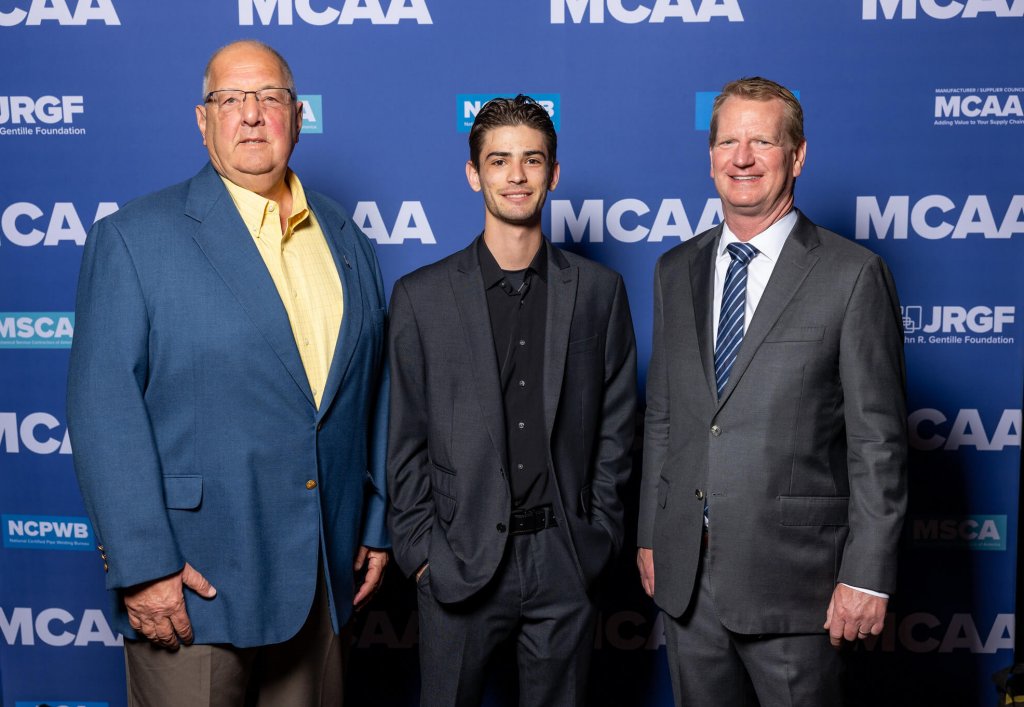
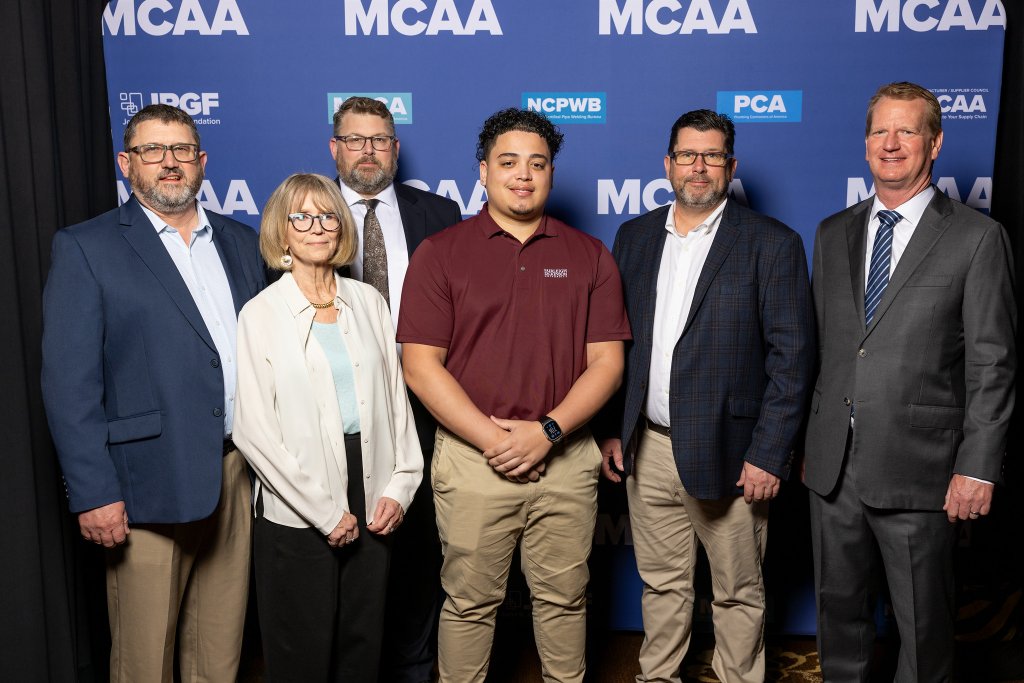
Congratulations to Aidan Wolownik, the 2023-2024 recipient of the Reilly Family Memorial Scholarship, which honors the late owners (Wayne, Patrick, and Emmett Reilly) of the John W. Danforth Company, one of the preeminent and charter members of MCAA.

One of many magical moments during the MCAA24 Awards of Excellence Breakfast in Orlando was when Kevin “Duke” Reilly stood next to his Danforth colleague, MCAA President Robert Beck, to present this annual scholarship.

Later in the awards ceremony, Robert shared the stage with Andrew Palcan, MCAA Career Development Committee Chair, who received this same scholarship from Robert Beck eight years ago, also in Orlando. The stage was certainly full of excitement and pride during this award!

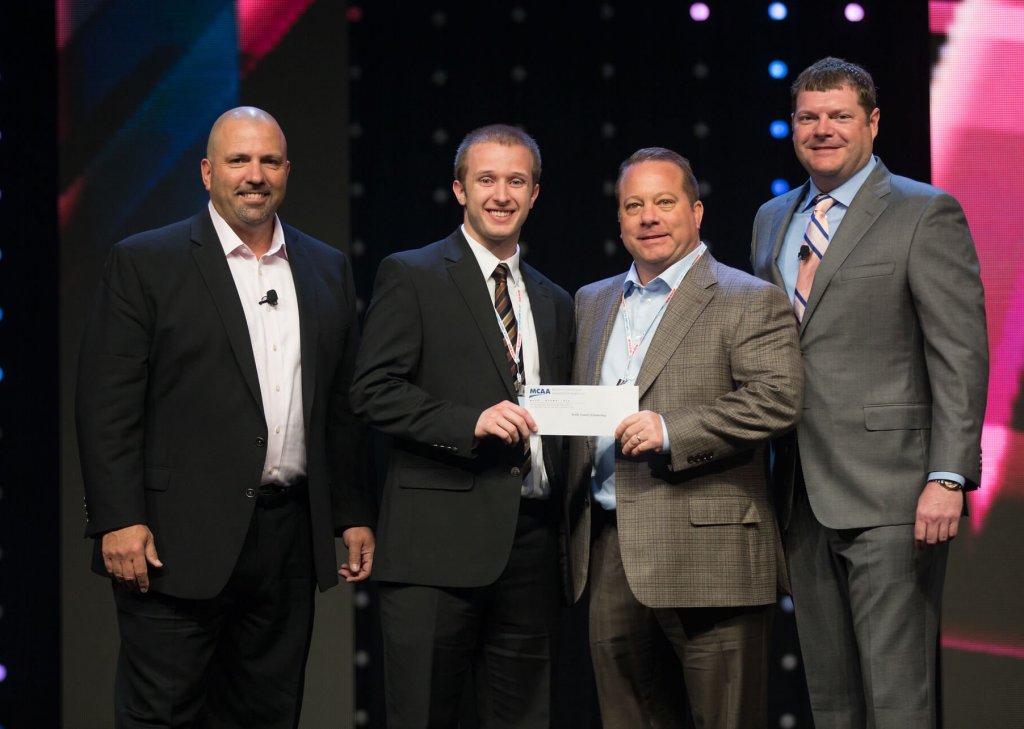
FLASHBACK to the MCAA16 Awards of Excellence Breakfast in Orlando, FL – Pictured: Mark Rogers (JRGF President), Andrew Palcan (Recipient), Robert Beck (John W. Danforth Company), Steve Dawson (MCAA President)

Andrew, Robert and the team at Danforth share an enthusiasm for full circle moments and hope to see this year’s recipient of the Reilly Family Memorial Scholarship follow through with his quote below and end up on the convention stage for his own magical flashback moment.

MCAA24 Awards of Excellence Breakfast in Orlando, FL – Pictured: Andrew Palcan (Career Development Committee Chair) and Robert Beck (MCAA President)

Aidan is a Construction Management major at Pittsburg State University with an anticipated graduation of May 2025. He is an active member of his student chapter and has served as both the Fundraising Chair and President (two terms). This summer, he is interning with MCAA Member, P1 Construction.

“The thing that’s most appealing about mechanical is all the coordination that takes place. From the fabrication shop to the project site, everyone is always making things smooth and I hope to see this process in action as I intern over the summer.

What I’ve gained the most from my involvement with MCAA is the networking with other schools and contractor members. I have really come a long way to get out of my shell when talking to other people. I plan to stay involved after I graduate and attend national conferences and hope to get on the MCAA Board so I’m able to donate back time and resources for a scholarship to help other students learn about the mechanical industry.”

MCAA and the John R. Gentille Foundation congratulate Aidan on this prestigious scholarship and thank the John W. Danforth Company for their commitment to supporting students interested in pursuing a career in the mechanical contracting industry.

Plug and Play Materials Available for Student Chapter Recruiting

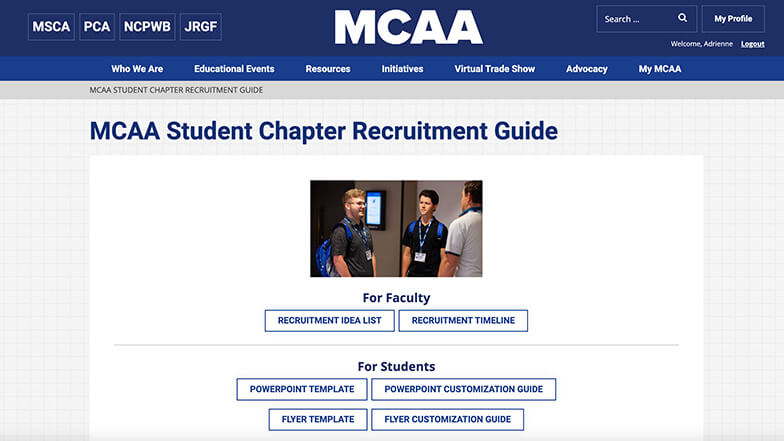
The MCAA Career Development Committee recently rolled out a new eight-part Recruitment Guide that includes tailored resources so everyone can pitch in and support our student chapters’ recruitment efforts on campus this fall. This resource will help you contribute to building a great future for our industry.

Two available resources at the forefront of the new guide are the PowerPoint Template and the Flyer Template. These are intended to be plug and play materials for anyone visiting campus. 

The PowerPoint is an excellent tool for students, faculty and MCAA members to use during pre-arranged classroom visits (short presentations at the start or end of a class period to spread the word about the student chapter). Chapters may also unhide the last few slides on the template to add in their meeting calendar and/or share internship experiences or local events of interest.

The Flyer Template is also a great resource to print and distribute during classroom visits, and could also be used during organizational fairs put on by the school / department. The front is packed full of MCAA benefits and the back is blank for chapters to give it their own flair with chapter specifics. 

Customization Guides for both the PowerPoint and Flyer Template offers suggestions and ideas for how to add local relevant information and expand overall chapter interest on campus.

An hour or two spend on campus this fall assisting with chapter recruitment could result in a company’s next great intern or new hire! The first step is creating awareness about the mechanical industry as a whole, which is a team effort that typically includes the faculty advisor, student chapter members, local association executives and MCAA members. 

Browse the Recruitment Guide today and reach out to your local student chapter to offer your assistance with recruiting efforts!

Resource Highlight: MCAA’s Confined Spaces Safety Resources

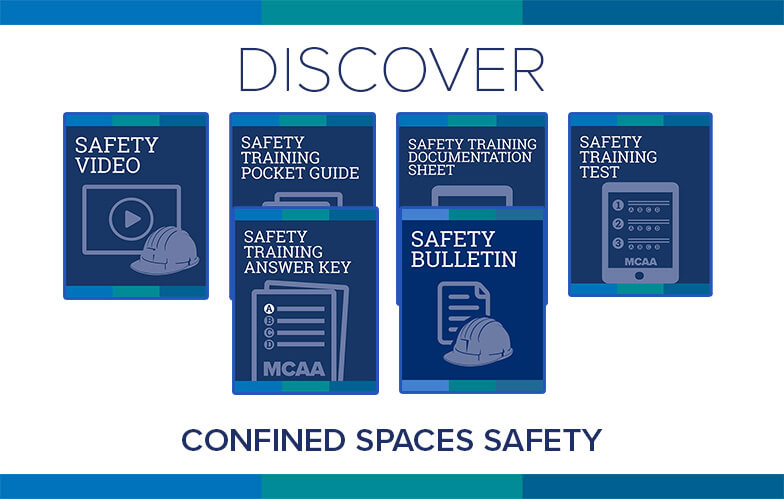
Confined spaces present hazards from reduced oxygen content to an increased risk of combustion. Flammable gases or vapors and other physical hazards may also be present. MCAA’s Confined Spaces Safety Resources provide safe work practices to help protect those working in confined spaces. These are just a few of MCAA’s educational resources that are free to MCAA members as a benefit of membership.

Worker Safety Training Videos & Accompanying Resources

Confined Spaces in Construction

Safety Bulletin

Model Safety Program

Explore the the full range of resources for mechanical service contractors, including resources that are also of interest to mechanical construction and plumbing contractors, using the blue Find A Resource bar on our website or browse our collection of 700+ safety and health resources.

Have Questions or Need Personal Assistance?

Contact MCAA’s Raffi Elchemmas.

Dispelling Myths Surrounding Heat Pump Technology

Mechanical service contractors frequently encounter comments and anecdotes about the challenges associated with air source heat pumps and heat pump water heaters. While some of these concerns stem from genuine issues, many perceptions are rooted in a past era when the technology was relatively unproven, and contractors had limited experience with installation and troubleshooting.

Two prevalent misconceptions revolve around the effectiveness of heat pumps in colder climates and their serviceability, applicable to both air source and water heating products. To address these misgivings and better equip professionals for customer discussions, ENERGY STAR has developed concise reference guides for each with the assistance of MSCA contractors. These resources not only tackle these challenges head-on but also aid in preparing contractors for productive conversations with customers who hold these perceptions.

Check them out here:

Find the Latest from Jomar Valve and SLOAN in MCAA’s Virtual Trade Show

MCAA’s Virtual Trade Show connects our contractor members with the members of MCAA’s Manufacturer/Supplier Council.

Participating companies highlight and link to new products, product lines, services, solutions or web pages of particular interest. Here are just a few of the recent additions:

Jomar Valve
Jomar’s new bronze ball valves, with C89836 LF bismuth bronze, standard SS trim, blow-out proof stem, & NSF certified, are meticulously engineered to meet any need. Because performance always matters.

SLOAN
In 2025, the USGBC will roll out a new standard for buildings to meet LEED v5 certification. Learn more about the qualification requirements.

Need Something Else?

Find many more smart solutions in MCAA’s Virtual Trade Show!

Speaking of Smart Solutions

Visit the Smart Solutions Case Studies area of our website to learn how other mechanical contractors found their win-win with cost-saving and productivity-enhancing applications from members of MCAA’s Manufacturer/Supplier Council.

This section of our website also includes tips and ideas to help your company save money and enhance your productivity. Don’t miss it!

Connect With Additional Manufacturer/Supplier Training

Save yourself time and let MCAA connect you to the latest Manufacturer/Supplier member’s training opportunities. Visit the Manufacturer/Supplier Training area of the Resource Center to get started. 

Predictive Maintenance Streamlines Operations

With the nClarity predictive maintenance (PdM) platform, Mazza Mechanical transitioned from the traditional preventive maintenance model to a digital-based service, streamlining business operations considerably. Mazza Vice President Ledgie DeRose explained, “We are now able to get early warnings when issues emerge without having to go onsite. This is far more productive than our old approach of dispatching techs 12 times per year.”

Looking for More Smart Solutions?

Visit the Smart Solutions Case Studies area of our website! You’ll see how other mechanical contractors found their win-win with productivity-enhancing and cost-saving applications from members of MCAA’s Manufacturer/Supplier Council.

Plus, you’ll find tips and ideas on other ways you and your company can save money and enhance your productivity.

New Resource: MCAA Student Chapter Recruitment Guide

Enhancing year-long recruitment strategies to further the support that student chapter members feel from the MCAA membership can be the ultimate decision maker for post-graduation plans. To many of these students, that choice isn’t simply about a job. They are searching for a community of professionals where they feel welcome and engaged. There’s no better time to start connecting the dots for a Great Future with MCAA than while they’re still in school.

The MCAA Career Development Committee is proud to roll out a new eight-part Recruitment Guide. The guide has something for everyone from MCAA contractor members to Local Affiliate Executives and Faculty Advisors. There’s even PowerPoint and flyer templates to assist the students with classroom visits as they head back to campus at the end of the month. 

Available Recruitment Guide Resources

For Faculty:

  • Recruitment Idea List
  • Recruitment Timeline

For Students:

  • PowerPoint Template + Customization Guide
  • Flyer Template + Customization Guide

For MCAA Members:

  • Recruitment Best Practices

For Local Association Executives:

  • Recruitment Best Practices

Looking for additional ways to get involved with student chapter recruitment?  Check out the Universities Page for a listing of chapters or contact MCAA Director, Career Development, Michele Hoffman (mhoffman@mcaa.org).

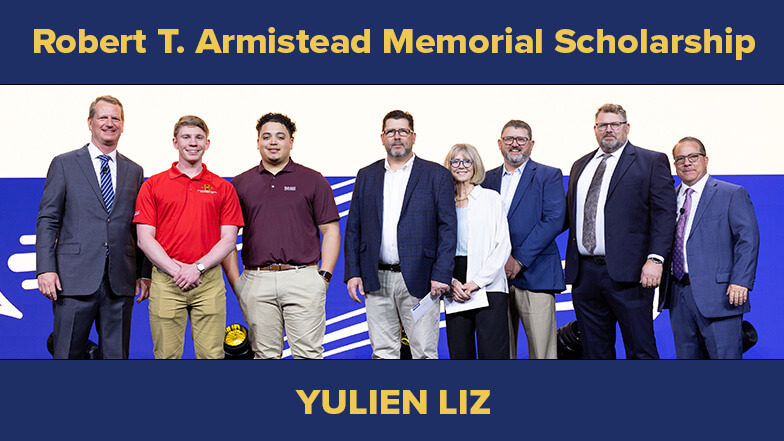
Congratulations to Yulien Liz, Recipient of the Robert T. Armistead Memorial Scholarship

Congratulations to Yulien Liz, one of two recipients of the first ever Robert T. Armistead Memorial Scholarship. This $5,000 scholarship was established by Armistead Mechanical, Inc. and the family of Robert “Bob” Armistead to symbolize his leadership, dedication, and impact on the mechanical contracting industry. In honor of Bob’s service as MCAA President, the selected winners are required to have served in the role as their local student chapter president.

Yulien is a Mechanical Engineering student at Fairleigh Dickinson University who anticipates graduating in December 2025. He is an active member of his student chapter, where he has served as both Vice President and President. He has interned with MCAA member companies Binsky & Snyder, A&A Industrial Piping, and Mid-Atlantic Mechanical.

“My involvement in the Fairleigh Dickinson Student Chapter has significantly enhanced my skill set. Despite having a background in the technical side of HVAC before college, my participation in the chapter transformed my knowledge base. Through working on the student chapter competition my freshman year, I acquired skills in estimating, scheduling, and logistics for a real construction project. Then, the following year, I utilized those skills with the rest of our returning team to create a stronger proposal which resulted in a top-four national placement. As the current student President, I continue to learn new things in every meeting and have expanded my professional network through interactions with local MCA professionals, which ultimately led to securing valuable internships.

The MCAA student chapter has provided me with essential mechanical contracting skills, networking opportunities with professionals, experience in public speaking at the national level, exposure to business travel, and leadership experience in guiding a team. Once I graduate, my intention is to give back by becoming a local mentor and supporting upcoming students in the same way I was helped. I deeply appreciate the value of this experience and am enthusiastic about providing guidance to future students.”

MCAA and the John R. Gentille Foundation congratulate Yulien on this prestigious scholarship and thank Armistead Mechanical, Inc. and the family of Robert T. Armistead for their commitment to supporting students interested in pursuing a career in the mechanical contracting industry.

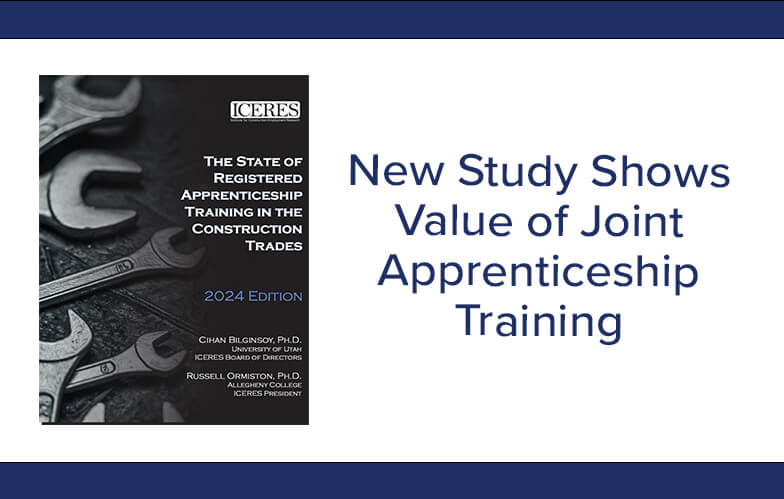
New Research Shows the Value of Joint Apprenticeship Training

New academic research documents the primacy of the construction industry labor/management joint apprenticeship training infrastructure in building and maintaining the high-skill workforce and employment standards in the construction industry for the benefit of the overall economy, journey workers and apprentices, construction employers, and their public and private sector clients.

The State of Registered Apprenticeship Training in the Construction Industry, 2024 Edition, was recently released by the influential Institute for Construction Employment Research (ICERES) principals, Russell Ormiston, Ph.D, Associate Professor of Business and Economics at Allegheny College, and Cihan Bilginsoy, Ph.D, Emeritus Professor of Economics at the University of Utah. Dr. Ormiston is President of ICERES and Dr. Bilginsoy is a Member of the ICERES Board of Directors. MCAA serves on the ICERES Advisory Board.

Analyzing massive data sets compiled in the U.S. Labor Department’s Registered Apprenticeship Partners Database System (RAPIDS) which includes data from the 24 U.S. Labor Department Registered Programs in 24 states, and data from registered programs in 20 other State Apprenticeship Council (SAC) programs applying Federal standards. (Some states reflect missing or incomplete data in the analysis, and are noted in the methodology section of the report.)

 The comprehensive report analyzes jointly administered programs (union sector jointly administered registered programs) as compared with registered non-joint programs (a.k.a. unilateral programs)(most frequently non-union signatory programs) across a broad spectrum of program characteristics, including: registration data; program completion and cancellation rates; demographics of the various programs, including race, gender, ethnicity, veteran status, age, education levels, and on-the-job training credits; and type of program training model (time-based completion standards, competency-based completion regimes, and hybrid time/competency-based programs. The report also details some demographic and economic analysis of the industry overall.

The impartial academic analysis, levels a single basic and very material conclusion derived from the comprehensive analysis, as follows:

“One distinguishing feature of the apprenticeship system in the U.S. construction sector has been the dominance of the programs sponsored jointly by the trade unions and signatory employers. As is documented in this report, the majority of apprentices in the skilled trades train in these jointly-sponsored programs. This means that state and federal policy surrounding collective bargaining or union market share (e.g., prevailing wage laws, support for project labor agreements) can have a substantial impact on the size and capacity of these registered programs.”

Here are some summary excerpts from the 70-pages analysis and report.

Construction Market Trends

  • The construction industry added an average of 75,000 new jobs per year between 1973 and 2022.
  • The percentage of trades workers age 55 or older has increased over time from 1980 to 2022, rising to 18.4% of the workforce in 2022, and the percentage of workers age 35 and younger has declined over the same period, declining to 36.8% in 2022.
  • Plumbers, pipefitters and steamfitters fall in the mid-range in the age 55 or over category among all trades, reaching 18.7% in 2022.

Joint Program Registration As Compared With Non-Joint Program Registration

  • 67.7% of all construction apprentices are in registered joint programs, as compared with 32.3% in non-joint programs.
  • Among all registrants enrolled in joint and non-joint programs between 2010 and 2016, 76% of all successful completions came from joint programs, as compared with only 24% of all successful completions coming from non-joint programs.
  • Women comprised 6.3% of new apprentices in joint programs, as compared with 4.5% in non-joint programs, and completion rates are 14% higher for women apprentices in joint programs as compared with non-joint programs.
  • Black apprentices comprised 10% of new program participants in 2021, and Black apprentices comprised 11% of new apprentices in joint programs in 2021, as compared with only 8% in non-joint programs in 2021.
  • For participants registered between 2010 and 2016, fully 78.2% of all successful Black apprentice completions came from joint programs, as compared with only 21.8% from non-joint programs over that same period.

Training Program Completion Model

Between 2015 and 2021, 15.6% of apprentices in joint programs were in programs that had a hybrid time-based/competency-based completion model, and 84.4% were in time-based only completion programs, as compared with 3.9% in hybrid model programs in non-joint programs, 1.4% only in competency-based completions, and fully 94.7% in time-based programs in non-joint programs.

Earnings

Among the six largest trades, for apprentices enrolled between 2011 and 2016, average median hourly wages amounted to $34.15 for apprentices upon completion of joint programs, as compared with only $20.70 for graduates of non-joint programs. That spread was even greater for graduates from plumber/pipefitter programs, with joint program graduates earning $35.62, as compared with only $20.00 for graduates of non-joint programs.

Full copies of the report can be obtained from ICERES at https://apprenticebook.com/.

This data may prove most useful in local apprentice program benchmarking, and in local area economic and regulatory and public policy considerations as well. ICERES has plans to update the data periodically, perhaps annually or every other year.

Inside MCAA: The Blueprint for Mechanical Contracting – Ep. 2 with MCAA CEO Tim Brink

Welcome to Inside MCAA, The Blueprint to Mechanical Contracting, the podcast dedicated to unveiling the strategies and resources that power success within the Mechanical Contractors Association of America. Hosted by renowned Customer Experience Coach and NEI Instructor Frank Favaro, each episode dives deep into the wealth of educational tools, networking opportunities, and advocacy efforts that define MCAA.

Monthly we will explore how MCAA supports its members with cutting-edge insights and industry updates, helping navigate the dynamic landscape of mechanical contracting. From legislative advocacy to fostering trusted partnerships, Inside MCAA offers a behind-the-scenes look at the initiatives driving innovation and growth in the field.

EPISODE 2: Timothy J. Brink, MCAA CEO

Timothy J. Brink, the CEO of the Mechanical Contractors Association of America (MCAA), launched this podcast with a clear mission: to increase awareness about the diverse offerings and resources available through MCAA. With 2,700 members nationwide, MCAA supports its members in navigating a booming workload by providing essential resources. Brink believes that in a relationship-driven business like mechanical contracting, showcasing the human side of MCAA is crucial. The podcast serves as a platform to highlight the association’s commitment to supporting its members and fostering connections within the industry. By spotlighting MCAA’s resources and emphasizing its role as a supportive entity, Brink hopes to strengthen the association’s presence and impact within the mechanical contracting community.

Follow Inside MCAA on Spotify or Apple Podcasts.

MCAA CEO Tim Brink Recognized for Leadership in Construction Associations

MCAA CEO Tim Brink has been selected for inclusion in the Marquis Who’s Who in America® biographical volumes, which have chronicled the lives of the most accomplished individuals and innovators from every significant field of endeavor since 1899. Selections are made based on current reference value and consider factors such as position, noteworthy accomplishments, visibility, and prominence in a field. 

Throughout Tim’s 30+ year career in the construction and contracting industry, he has demonstrated exceptional leadership and expertise in labor relations and advocacy. He has played a pivotal role in enhancing the association’s operational efficiency and expanding its educational efforts, particularly during the COVID-19 pandemic.

His innovative approach to revamping delivery methods and engaging previously uninvolved members has been widely recognized.

Tim’s tenure at MCAA has been marked by significant achievements, including creating new resources and managing partnerships with MCAA members, key trade association partners, labor partners and critical end users.

Before joining MCAA, Tim served for over 11 years as the Executive Vice President of the Mechanical & Service Contractors Association of Eastern Pennsylvania, where he was instrumental in fostering positive labor-management relationships that benefited contractors and local unions alike. He also served for 21 years as Chief Executive Officer at C. H. Stone Plumbing Co., Inc., his family’s contracting business in Los Angeles, where he honed his skills as a mechanical contractor and in labor relations.

Learn more about Tim’s accomplishments here.

Resource Highlight: MCAA’s Equipment Safety Resources

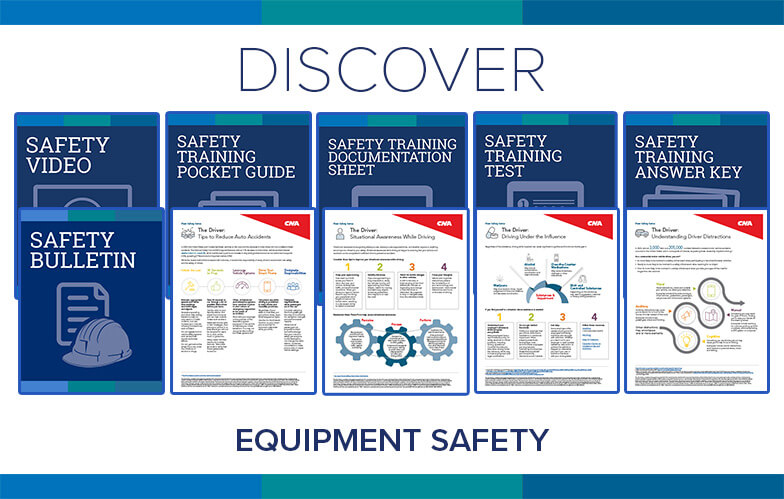
In 2020, almost 3,000 fatal and over 200K nonfatal distracted-related motor vehicle accidents occurred. Commercial drivers are 6 times more likely to be involved in a critical safety event when participating in handheld browser activities. MCAA’s Equipment Safety Resources provide vital information to assist in reducing the risks associated with operating automobiles, forklifts, and heavy equipment, including four CNA infographics in their fleet safety series. These are just a few of MCAA’s educational resources that are free to MCAA members as a benefit of membership.

MCAA/CNA Microlearning Safety Video Series

Worker Safety Training Videos & Accompanying Resources

Forklift Safety

Heavy Equipment Safety

Inspecting Materials Handling Equipment

Supervisor Safety Training Videos

Safety Bulletins

Safety Guides

CNA Fleet Safety Infographics

Explore the the full range of resources for mechanical service contractors, including resources that are also of interest to mechanical construction and plumbing contractors, using the blue Find A Resource bar on our website or browse our collection of 700+ safety and health resources.

Have Questions or Need Personal Assistance?

Contact MCAA’s Raffi Elchemmas.

MCAA’s National Education Initiative (NEI) Offers a 20% Rebate on Instructor Fees for Select Classes

The education MCAA members and local affiliates depend on just got a little less expensive thanks to a new program that offers a 20% rebate on instructor fees for select National Education Initiative (NEI) classes, up to $5,000 per class. This benefit is available only to MCAA members and local affiliates in good standing who book courses via the NEI Initiative portal.

Which Courses are Eligible?

The 20% rebate applies to all NEI classes except those offered by John Koontz, which are already subsidized by MCAA. Courses must be booked using the NEI portal on the MCAA website.

Does the Rebate Cover Expenses?

The rebate covers eligible instructor fees only. It does not cover expenses, which, as always, are the responsibility of the member company or local affiliate that books the course.

How Do I Make Fee Arrangements?

You will work out fee arrangements directly with the NEI instructor.

Sounds Great! What’s Next?

  1. Go to the NEI portal.
  2. Find the course that meets your needs and click the “Schedule A Course” button. The instructor will contact you to make schedule and fee arrangements.
  3. Pay the invoice you receive from the instructor after the course.
  4. Send a copy of the paid invoice to Priya Nirmal at the MCAA office.

How Does the Rebate Work?

Each month, you will receive a check from MCAA for 20% of the instructor fees paid for eligible courses, up to $5,000 per class. Here’s what a rebate may look like in a given month:

CourseInstructorBooked via NEI PortalInstructor FeeRebate (Fee x 20%, Up to $5,000 per Class)
Mechanical 101Cordell StrongY$3,000$600
Mechanical 201Suzy SmithY$5,000$1,000
PM Boot CampRobert GutierrezY$30,000$5,000
Customer CareMary JonesN$5,000$0
Total Rebate$6,600

Remember, MCAA is only offering rebates for select courses scheduled via the NEI portal. By not using the portal to schedule the Mary Jones course in this example, the contractor or local affiliate missed out on a $1,000 rebate.

Have Questions or Need Personal Assistance?

Contact MCAA’s Frank Wall or call him at 301-990-2215.

Connect With the Latest Training from LAARS, a Bradford White Company and FARO Technologies, Inc. at MCAA.org

The Manufacturer/Supplier Training area of MCAA’s website connects our contractor members with training opportunities available from the members of MCAA’s Manufacturer/Supplier Council.

Participating companies highlight and link to new webinars and training opportunities across their product lines, services, solutions or web pages. Here are just a few of the recent additions:

LAARS, a Bradford White Company
Laars Academy is our commitment to ensure our industry professionals have the training and knowledge needed to stay on top. Watch a recorded training session on Laars MagnaTherm FT at www.laars.com.

FARO Technologies, Inc.
[WEBINAR] Discover the power of FARO® 3D Reality Capture and watch the on-demand webinar to explore how it assists builders and engineers in planning, designing, and managing MEP systems effectively.

Interested in More Training from Our Supplier Partners?

Be sure to visit the Manufacturer/Supplier Training area for all the latest offerings.

Making the Latest Heat Pump Tax Credits Easier to Understand

Understanding the implications of the Inflation Reduction Act and its impact on pricing jobs for installing heat pumps or heat pump water heaters can be daunting. However, a new resource from ENERGY STAR aims to simplify this process, specifically tailored for selling and installing Air Source Heat Pumps, Heat Pump Water Heaters, and Electric Panel Upgrades. It’s crucial for both contractors and property owners to grasp these credits, as they can cover up to 30% of project costs.

Here’s a quick overview:

Total Annual Limit: The $2,000 heat pump credit can be combined with credits up to $1,200 for other qualified upgrades made in one tax year.

Effective Date: Products purchased and installed between January 1, 2023, and December 31, 2032.

Tax Credit: An amount taxpayers can claim on their federal tax return to reduce income tax owed.

Who Qualifies: Must be an existing home and principal residence (owned or rented). Does not apply for new construction and rental properties.

What to Keep: Customers should keep their receipts and any relevant materials, such as product labels, that identify the purchased product.

For a simple one-page explanation and a list of qualifying products, check out the resource provided by ENERGY STAR. 

Randall Chenworth Is ARCA/MCA’s New Executive Director

Randall Chenworth is the new Executive Director of ARCA/MCA of Southern California, effective August 1, 2024. He is excited to continue the legacy of excellence and innovation set by his four predecessors during the association’s 85-year history.

Randall spent the last six years as Director of Education for MCAMW. This background has instilled in him a passion for learning and development, which he plans to bring to the forefront of new ARCA/MCA initiatives.

His vision is to lead with an educational platform built on collaborating with association members, creating more value for their businesses, and providing employees with access to the best industry resources possible.

Connecting with the membership and strengthening the ARCA/MCA community will be his priority, with the intention for ARCA/MCA to continue as a premier service contractor-led trade association.